by SAFW-BC | Jun 12, 2026 | Blogs
If you’ve been thinking about starting a business, you’ve probably already hit the same wall most aspiring entrepreneurs do – funding. Getting a bank to back a brand-new idea is notoriously difficult. But what if there was a way to walk into a lender’s office with a business model they already trust, one with a proven track record, established systems, and a name people recognise?
That’s exactly what happens when you buy a franchise. And it’s one of the most overlooked advantages in the conversation about entrepreneurship.
The Funding Problem Every New Business Owner Faces
Lenders are risk-averse by nature. They want to see proof that a business model works before they commit capital to it. An untested concept, however brilliant, carries uncertainty they’re rarely willing to absorb.
This is the core challenge for independent startups. Without a track record, financial forecasts are little more than optimistic guesswork. Banks know this, and their approval rates reflect it.
Franchising fundamentally solves this problem.
Why Banks Favour Franchises Over Startups
When you buy a franchise, you’re not pitching a new idea — you’re investing in a model that has already been built, tested, and refined. The systems are in place. The brand is established. The operational processes have been proven across multiple locations, often over many years.
From a lender’s perspective, that changes everything.
Most major banks in South Africa have dedicated franchise desks staffed by specialists who understand this environment inside and out. These aren’t generalist credit analysts but professionals who speak the language of franchising and can accurately assess the viability of a franchise investment.
This matters because it means that when you apply for funding to buy a franchise, you’re not navigating the process alone. You have access to advisors who can help you structure your deal, assess affordability, and present your application in the strongest possible light.
In a recent interview on Smile FM, Engela van Loggerenberg of Cash Converters Southern Africa clearly unpacked this dynamic: franchising is regarded as one of the most bankable routes into business ownership, precisely because it replaces uncertainty with structure.
What “Bankable” Actually Means — And Why It Matters to You
The word “bankable” gets thrown around in business circles, but what does it actually mean in practice?
A bankable business is one that a financial institution is confident enough in to lend against. That confidence is built on three things: predictability, precedent, and performance data.
Franchises offer all three.
When you buy a franchise, lenders can look at the performance of comparable stores in the network to build a realistic picture of what your business is likely to achieve. They can evaluate the franchisor’s track record. They can assess the brand’s strength and the demand for your product or service in your target market.
Compare this to a startup, where every one of those data points is either an estimate or simply absent. The risk profile is incomparably higher — and so is the likelihood of rejection or punishing interest rates.
Choosing to buy a franchise instead of starting from scratch isn’t just a lifestyle choice. It’s a strategic financial decision that materially improves your access to capital.
Understanding the Investment: What You’re Actually Buying
Let’s get specific, because one of the biggest mistakes prospective franchisees make is underestimating what their investment actually covers, and why that structure matters to lenders.
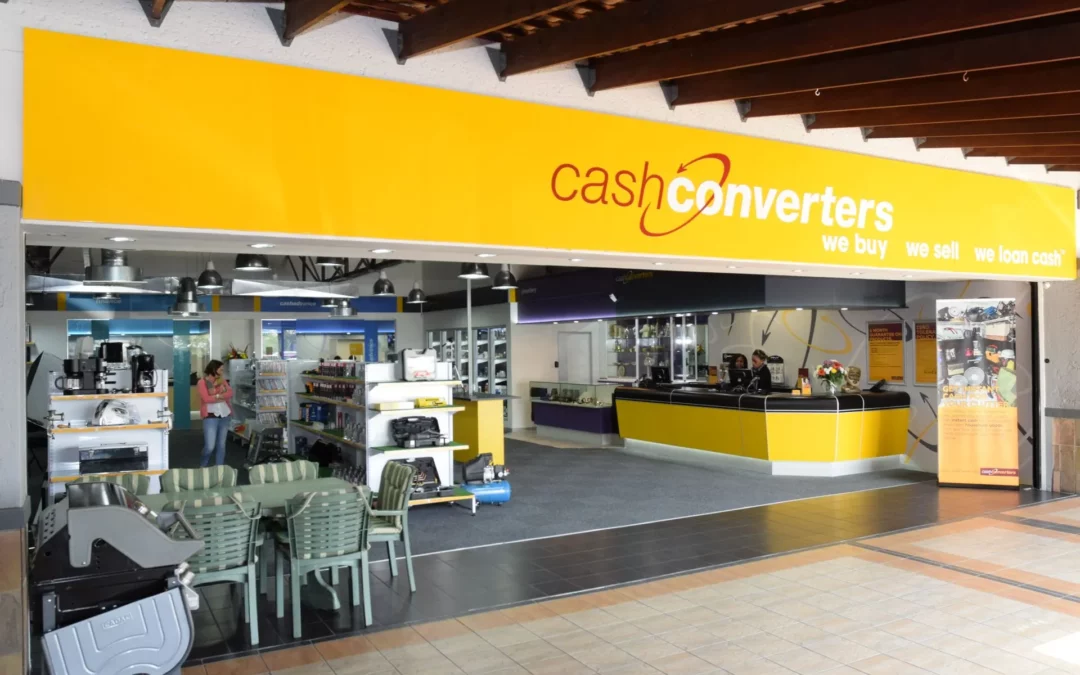
At Cash Converters Southern Africa, a turnkey franchised business in 2026 is priced at approximately R4.5 million. The term “turnkey” is key here. It means the business is fully set up and ready to operate from day one, including shopfitting, equipment, fixtures, fittings, systems, and infrastructure. You’re not buying a concept; you’re buying a functioning business.
Investment in a franchise typically divides into two broad categories:
Setup costs cover the physical and operational elements required to open the doors. This includes shopfitting, equipment, technology infrastructure, and initial stock where applicable.
Working capital supports the business through its early trading period — covering day-to-day expenses while revenue builds. First-time franchise buyers often underestimate this component, and getting it wrong can create cash flow pressure at exactly the wrong moment.
Understanding this split isn’t just useful for your own planning; it’s essential for a credible funding application. Banks want to see that you understand where the money is going and that your projections are grounded in reality.
The 50/50 Rule: A Funding Structure Built for Long-Term Success
Cash Converters Southern Africa encourages prospective franchisees to approach funding with a 50/50 structure in mind. Ideally, at least half of the total investment — approximately R2.25 million for a standard Cash Converters store — should be available as unencumbered capital. The remaining balance can then be financed through a bank or other financial institution.
This isn’t an arbitrary guideline. It’s a structure designed to serve you.
Walking into a funding conversation with meaningful equity in your deal signals to lenders that you have genuine skin in the game. It reduces the debt burden on the business during its critical early stages. It gives you a buffer against unexpected costs or slower-than-anticipated revenue growth. And it significantly strengthens your application, improving both the likelihood of approval and the terms you’re likely to receive.
Franchisees who rely too heavily on borrowed capital from the outset put themselves under enormous pressure. Every month, before the business generates a Rand of profit for you, it’s servicing debt. That margin for error disappears fast if trading conditions aren’t immediately ideal.
The 50/50 approach isn’t about gatekeeping — it’s about setting you up for genuine, sustainable success.
Franchising as a Pathway, Not Just a Purchase
It’s worth stepping back and appreciating what the franchise model represents for first-time business owners.
Entrepreneurship is often portrayed as a solo endeavour — the lone founder building something from nothing through sheer grit. That narrative is compelling, but it glosses over the brutal reality of startup failure rates. Most new independent businesses don’t survive their first five years.
Franchising offers a different pathway. When you buy a franchise, you’re joining a system built by people who have already made the costly mistakes and worked out the answers. You benefit from their learning curve without paying for it yourself. You get access to training, support structures, marketing infrastructure, and the collective buying power of a national network.
And critically, you get access to funding on terms that an independent startup cannot match.
That combination of reduced risk, structured support, and improved fundability is why franchising continues to grow as a business model even in challenging economic climates. It’s not the easiest path, but it may well be the smartest one.
Is Buying a Franchise Right for You?
If you’re seriously considering business ownership, the question isn’t really whether to buy a franchise versus going it alone. The more useful question is: which franchise, in which sector, with which support structure, aligns with your goals, your capital, and your appetite for the work involved?
For those drawn to a high-traffic retail model with a well-established brand, proven demand, and a 30-year track record across Southern Africa, Cash Converters represents a compelling option worth exploring in depth.
The funding pathway is clear. The model is bankable. The support is real.
Find out more about buying a Cash Converters franchise and take the first step toward owning a business that banks believe in.

by SAFW-BC | Jun 5, 2026 | Blogs
So, the career you spent decades building has come to an end — whether by choice or circumstance. Retirement arrived, or a retrenchment letter did. Either way, you’re standing at a crossroads that millions of people face every year: What do I do now?
If you’re energetic, experienced, and not quite ready to spend your days on the golf course, franchising might be the most compelling answer you haven’t seriously considered yet. It blends the excitement of running your own business with the security of a tried-and-tested system — and it’s increasingly becoming the go-to venture for people in exactly your position.
Why Franchising Makes Sense at This Stage of Life
Here’s what most people don’t realise: the qualities that made you successful in your career — discipline, people skills, financial literacy, and the ability to follow a process — are precisely the qualities that make a great franchisee.
You’re not starting from zero. You’re starting from experience.
Unlike launching a business from scratch, a franchise gives you a brand that’s already trusted, a product or service that’s already been market-tested, and a support structure that holds your hand through every stage of setup and operation. The hard work of figuring out what to sell and how to sell it has already been done. Your job is to execute with excellence — and that’s where your years of professional life become a genuine competitive advantage.
The Benefits of Franchising Post-Career
1. A Proven Business Model
The biggest risk in starting a new business is the unknown. With a franchise, that unknown shrinks dramatically. You’re buying into a system with a track record, established suppliers, operations manuals, marketing templates, and ongoing head-office support. The failure rate for franchised businesses is significantly lower than for independent startups — a reassuring fact when you’re investing your retirement savings or retrenchment package.
2. Immediate Brand Recognition
Building a brand from scratch can take years and cost a fortune. A franchise gives you instant credibility with customers who already know and trust the name above your door. This translates into faster customer acquisition and quicker revenue generation from day one.
3. Training and Ongoing Support
You don’t need to know the industry inside out before you start. Reputable franchisors provide comprehensive training — often covering operations, sales, staff management, and technology — before you open your doors. And the support doesn’t stop there. Most franchises offer continuous coaching, regional meetings, updated marketing materials, and access to a community of fellow franchisees who understand exactly what you’re going through.
4. Flexibility to Match Your Lifestyle
Many franchise models are designed with lifestyle in mind. From home-based operations and mobile service franchises to part-time concepts and semi-passive management models, there is a franchise to suit virtually every lifestyle preference. You can choose the level of involvement that works for you — whether that’s hands-on daily operations or a management-style role where you oversee a small team.
5. A Sense of Purpose and Community
One of the most underestimated challenges of retirement or retrenchment is the loss of identity and routine. Franchising restores both. It gives you something meaningful to build, a team to lead, customers to serve, and goals to work toward. Many franchisees report that the social dimension of running a business — the daily interaction with people — is just as rewarding as the financial returns.
Is Franchising Right for Your Lifestyle?
This is the question worth sitting with honestly. Franchising is not passive income. It requires real commitment, especially in the early months. But for the right person, it’s deeply fulfilling.
You might be a strong candidate if you:
- Enjoy working with people and building relationships
- Are comfortable following systems and processes (rather than reinventing the wheel)
- Want structured flexibility — income with some control over your time
- Have moderate capital to invest and a responsible approach to financial risk
- Are motivated by growth, learning, and a sense of achievement
- Prefer accountability over total independence
You might want to think carefully if you:
- Are seeking a completely hands-off investment
- Have very limited capital and cannot absorb a slow initial trading period
- Prefer total creative freedom with no brand guidelines to follow
- Are risk-averse to the point where any business uncertainty feels untenable
The good news? Franchises span a wide spectrum of investment levels, time commitments, and industries — from food and beverage to education, health and wellness, home services, pet care, and financial services. Finding the right fit is a matter of honest self-reflection and good research.
Frequently Asked Questions About Franchising
How much capital do I need to start a franchise?
Investment levels vary enormously. Entry-level franchises can start at R50,000–R150,000, while mid-tier concepts typically require R300,000–R1,000,000, and premium food or retail franchises can exceed R2,000,000. Your retrenchment package or retirement savings may go further than you think — and many franchisors work with preferred lenders or banks who understand the franchise model and offer tailored financing. As a rule of thumb, most banks require an own contribution (cash invested) of at least 50% of the total capital requirement.
Do I need industry experience?
In most cases, no. Franchisors design their training programmes to bring people with no prior industry background up to speed quickly. What matters more is your attitude, work ethic, and willingness to follow the system. Some franchises do favour applicants with specific backgrounds (e.g., financial services or healthcare), but the majority prioritise character over credentials.
What does the franchisor actually provide?
A good franchisor provides a full toolkit: the brand licence, operational manuals and systems, initial and ongoing training, marketing support and national advertising, supplier relationships and negotiated pricing, technology platforms, and a network of fellow franchisees. In exchange, you typically pay an upfront franchise fee and an ongoing royalty — usually a percentage of monthly turnover. In addition, you may be required to contribute to a marketing fund for group marketing.
How long before I see a return on investment?
This depends on the franchise, the location, and how effectively you run the business. Most franchisees begin breaking even within 12 to 24 months, with profitability growing steadily from there. Some well-positioned food and retail franchises achieve profitability sooner. Always ask prospective franchisors for a disclosure document that includes financial assumptions and speak to existing franchisees about their real-world experience.
What if I want to retire properly in a few years?
Franchises have resale value. A well-run franchise with good financials is an attractive asset to sell — often at a profit — when you’re ready to step back completely. You can also transition to a semi-passive model by hiring a capable manager to run day-to-day operations while you retain ownership and oversight.
Is it too late to start at my age?
Absolutely not. In fact, franchisors often actively seek franchisees in their 50s and 60s because of the life experience, financial discipline, and professional maturity they bring. Age is not a barrier — energy, commitment, and the right mindset are what matter most.
How to Choose the Right Franchise
Start with your strengths and passions. A franchise aligned with something you genuinely enjoy will sustain your motivation far longer than one chosen purely on projected profit margins.
Next, do your due diligence thoroughly:
- Request the franchise disclosure document and franchise agreement to consider together once you are selected as a potential franchisee, and have it explained by a franchise attorney or consultant.
- Speak to at least three to five current franchisees — not just the ones the franchisor recommends.
- Understand the full cost structure: setup costs, royalties, marketing levies, equipment, and working capital
- Research the brand’s reputation, growth trajectory, and how it has supported franchisees during tough economic periods
- Assess the territory on offer and ensure sufficient customer demand exists in your area
The Bottom Line
Retrenchment or retirement doesn’t mean the end of your productive, purposeful years — it may simply be the beginning of your most rewarding chapter yet. Franchising offers a rare combination: the independence of business ownership with the safety net of an established system, combined with the social engagement and sense of achievement that many people sorely miss after leaving the workforce.
The investment required is real. So is the work. But for those who go in with clear eyes, genuine commitment, and the right franchise partner, the rewards — financial, personal, and professional — can be extraordinary.
Your experience didn’t retire when you did. It’s time to put it back to work.
Thinking about buying a franchise? Start by visiting the SA Franchise Warehouse.
by SAFW-BC | Jun 1, 2026 | Blogs, Uncategorized
Opening a franchise is one of the most exciting business ventures you can embark on. It offers the security of a proven model, the strength of an established brand, and the opportunity to build something that can thrive for years. But before you dive into training, store fit-outs, or marketing campaigns, there’s one decision that towers above all others: site selection.
The adage “location, location, location” isn’t just a catchy phrase — it’s the backbone of franchise success. Choosing the right site determines whether your store becomes a community hub or struggles to attract customers. Let’s explore why site selection is the most critical first step, how it impacts your investment, and why expert support makes all the difference.
Why Location Can Make or Break Your Franchise
When you open a franchise, you’re making a significant financial commitment. The site you choose influences every aspect of your business:
- Visibility: If customers can’t see you, they won’t visit. High visibility ensures your brand presence is felt in the community.
- Accessibility: Easy access by car, public transport, or foot traffic makes your store convenient to reach.
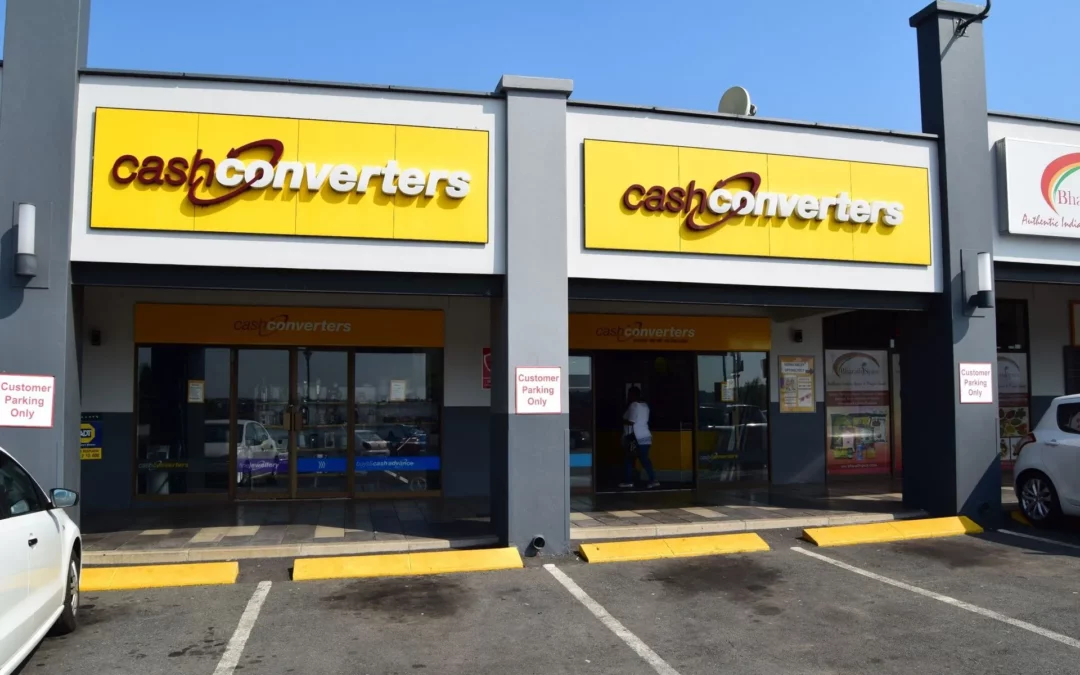
- Parking: Adequate parking is often underestimated but can be a dealbreaker for customers. Large retailers and some services, such as beauty salons and dry cleaners, benefit from parking close to their entrances.
- Neighbouring businesses: The right mix of nearby stores can complement your offering and drive shared traffic. This is especially true in fashion retail, where customers like to shop around before making a purchase.
- Foot traffic patterns: It’s not just about volume; it’s about the type of people passing by and whether they match your target demographic.
Get the location right, and you’ve given yourself a powerful head start. Get it wrong, and even the strongest brand and best operator will struggle to compensate.
Why the Cash Converters’ Model Requires a Specialist Approach
Not all franchises are created equal, and neither are their site requirements. A Cash Converters store isn’t just about retailing; it’s a unique blend of buying and selling, with financial services on offer too. That means the ideal site isn’t simply about high foot traffic; it’s about the right foot traffic.
We look for:
- Target demographics that align with our customer base.
- Commercial environments where our services are most relevant.
- Community needs that match our offering.
This makes site selection a specialist discipline rather than a straightforward retail search.
The Support You Receive When Opening a Franchise
One of the biggest uncertainties in franchising is timing. Training programmes and store fit-outs follow predictable schedules. Site selection does not. That’s why Cash Converters provides end-to-end support throughout the process:
- Area identification: Pinpointing regions with strong potential.
- Site evaluation: Assessing visibility, accessibility, and demographics.
- Lease negotiation: Commercial leases are long-term commitments with serious financial consequences. Our team ensures you understand exactly what you’re signing up for.
- Concurrent training: While your store is being built (typically 6–8 weeks), you will undergo training so you’re ready to trade the moment doors open.
Why Expert Guidance Protects Your Investment
Opening a franchise isn’t just about passion — it’s about protecting your capital. Site selection errors can cost hundreds of thousands over the life of a lease. With expert guidance, you avoid pitfalls like:
- Signing leases with hidden costs.
- Choosing sites with misleading traffic data.
- Overestimating demand in unsuitable areas.
Cash Converters’ franchise model ensures you’re never alone in this process. From the first conversation to the day you open, experienced professionals guide you every step of the way.
Building on Solid Ground
When you open a franchise, the quality of support behind you matters as much as the opportunity in front of you. With Cash Converters, you’re not just buying into a brand; you’re gaining a partner committed to protecting your investment from day one.
By prioritising site selection, you set your franchise up for long-term success. With the right location, demographics, and support, you’re positioned to thrive.
Final Thoughts
Opening a franchise is a journey, and every journey needs a strong foundation. Site selection is the foundation. It determines your visibility, accessibility, and profitability. With Cash Converters, you don’t have to navigate this critical step alone; you have a team dedicated to ensuring your store opens in the best possible location.
If you’re ready to explore what it takes to open a Cash Converters franchise, the first step is simple: start with the site.
Ready to explore what it takes to open a Cash Converters franchise? Get in touch with our team today.

by SAFW-BC | May 20, 2026 | Blogs
How Cash Converters Reached 100 Stores in Southern Africa and What’s Next
Hitting 100 store locations across Southern Africa is no small feat. For Cash Converters, it marks three decades of resilience, reinvention, and a franchise model that keeps delivering.
A Milestone That Means More Than a Number
When a retail brand opens its 100th store, the headline writes itself. But for Cash Converters Southern Africa, the significance runs deeper than footprint. It reflects the trust of dozens of franchisees who staked their futures on a shared vision and the loyalty of millions of customers who have walked through those doors in need of financial breathing room.
Richard Mukheibir, the founder and former CEO who steered the business for more than 30 years, puts it plainly: reaching this milestone is both personally meaningful and a strong signal of brand confidence.
“From a brand perspective it represents the confidence and faith that many franchisees have put in Cash Converters and our business model,” he says.
That kind of faith isn’t given lightly- it’s earned over years of proving the concept works, even when the environment is anything but predictable.
Built to Survive: The Story Behind the Growth
The road to 100 Cash Converters stores wasn’t paved with easy wins. Since launching in South Africa in 1994, the network has weathered the global financial crisis, navigated the economic disruptions of Covid-19, and adapted to shifting compliance landscapes, all while continuing to expand.
What kept the business moving forward? A relentless willingness to evolve
“At every stage of building the business we have needed to enhance the business model, adapt to changes in market conditions, adjust to compliance requirements, find funding partners, source new franchisees and sites to grow,” explains Mukheibir.
This isn’t a brand that stumbled into success. It’s one that has been stress-tested repeatedly, and came out stronger each time.
The Values That Power Every Cash Converters Store
Behind every successful franchise network is a culture that people actually believe in. For Cash Converters, five values anchor everything:
passion, professionalism, respect, integrity, and collaboration
These aren’t just words on a wall. They shape how franchisees run their stores, how staff engage with customers, and how decisions get made across the network. The franchisees who thrive consistently are those who align with the brand’s core mission: to provide access to cash to anyone, anywhere, anytime.
In communities where formal banking is out of reach or traditional lenders won’t engage, a well-run Cash Converters store can be genuinely life-changing. That community-level relevance is a key part of what makes the model both durable and meaningful.
From Second-Hand Retail to Financial Services: A Brand That Keeps Evolving
Cash Converters has transformed considerably since its early days as a second-hand goods retailer. Today, the model spans both secured and unsecured lending, a significant expansion that has widened the brand’s appeal and boosted the earning potential of each store.
“We continually look to adding additional income streams into the business to make our stores more profitable for our franchisees,” says Mukheibir.
This product evolution hasn’t happened by accident. It’s a deliberate strategy to ensure that every Cash Converters franchise remains competitive, relevant, and financially viable regardless of what the broader economic climate looks like.
Why Now Is the Right Time to Become a Cash Converters Franchisee
With the 100-store milestone behind them, the business is now firmly focused on the road ahead. The goal is straightforward: scale the proven model, reach more South Africans, and create genuine wealth for the franchisees who come on board.
For anyone considering franchise investment in Southern Africa, the message from leadership is clear – don’t wait.
“Those interested in getting involved in the business are encouraged to do so as soon as possible, so they may begin their journey of wealth creation sooner rather than later.”
The infrastructure is in place. The track record speaks for itself. And a network of 100 stores proves this isn’t a concept being tested – it’s a model that works.
The Bottom Line
Cash Converters’ journey to 100 stores across Southern Africa is a testament to what happens when a strong franchise model meets genuine community need. It’s a story of adaptation, values-led growth, and long-term thinking, and by all indications, the next chapter is only getting started.
Whether you’re a consumer looking for financial flexibility or an entrepreneur exploring franchise opportunities, Cash Converters has built something worth paying attention to.
Interested in franchise opportunities with Cash Converters Southern Africa? Reach out to explore how you can be part of the next 100 stores.

by SAFW-BC | Apr 22, 2026 | Blogs
Starting a business for the first time can feel overwhelming. Many aspiring entrepreneurs in South Africa struggle with uncertainty, financial risk, and lack of experience. This is exactly why franchising has become one of the most popular business entry points in the country.
For first-time business owners, the right franchise can provide structure, support, and a proven system that significantly reduces risk. However, not all franchises are created equal—some are far more beginner-friendly than others.
In this guide, we explore the best SA franchise opportunities for first-time entrepreneurs, what makes a franchise suitable for beginners, and what support systems you should look for before investing.
Why Franchising Is Ideal for First-Time Entrepreneurs
Unlike starting a business from scratch, franchising allows you to operate under an established brand with a proven business model. This reduces many of the risks that new entrepreneurs typically face.
Here’s why franchising works so well for beginners:
- You operate under an established brand with market trust
- Business systems are already tested and refined
- Training is provided before and during operations
- Marketing support is often included
- You receive ongoing operational guidance
Instead of guessing what works, you follow a system that has already been proven successful.
This is why searching for the best SA franchise opportunities for first-time entrepreneurs is one of the smartest ways to start a business journey in South Africa.
What Makes a Franchise “Beginner-Friendly”?
Not every franchise is suitable for someone with no experience. Some require advanced management skills, large capital investment, or industry knowledge.
A beginner-friendly franchise typically includes the following characteristics:
1. Low to Moderate Startup Costs
First-time entrepreneurs often have limited capital. Beginner-friendly franchises usually offer:
- Lower franchise fees
- Flexible setup costs
- Scalable investment models
This allows new owners to enter the market without excessive financial pressure.
2. Strong Training Programs
One of the most important features is structured training. A good franchise should provide:
- Initial onboarding training
- Operational manuals and systems
- On-the-job support during launch
- Ongoing skill development
Training ensures that even someone with no experience can confidently run the business.
3. Proven Business Model
A beginner-friendly franchise is not experimental. It should already have:
- Successful franchise branches
- Consistent customer demand
- Clear operational procedures
- Stable financial performance
This reduces uncertainty and increases the chances of success.
4. Marketing and Brand Support
New entrepreneurs often struggle with attracting customers. Strong franchises assist with:
- National or regional marketing campaigns
- Brand awareness strategies
- Digital marketing support
- Social media guidance
This helps franchisees generate revenue faster.
5. Operational Simplicity
The best beginner franchises are not overly complex. They should have:
- Simple day-to-day operations
- Clear systems and processes
- Easy-to-follow workflows
- Minimal technical requirements
Simplicity allows first-time owners to focus on growth instead of confusion.
Training & Support Systems to Look For
When evaluating SA franchise opportunities, support systems are often the deciding factor between success and failure.
Below are the key support structures every beginner should prioritise:
1. Initial Training Programme
A strong franchise will train you before you even open your doors. This may include:
- Classroom training
- Practical hands-on experience
- Business management fundamentals
- Product and service knowledge
Without this, beginners are left to figure things out alone.
2. Operational Support
After launch, ongoing support becomes critical. This includes:
- Field support visits
- Performance monitoring
- Operational troubleshooting
- Supply chain assistance
This ensures consistency and quality control.
3. Marketing Support
Marketing is often where new franchisees struggle most. Look for franchises that offer:
- National advertising campaigns
- Local store marketing assistance
- Social media templates and guidance
- Promotional strategies
Good marketing support can significantly speed up customer acquisition.
4. Supply Chain & Systems Support
Efficient supply chains ensure smooth operations. Strong franchises provide:
- Reliable supplier networks
- Bulk purchasing benefits
- Inventory management systems
- Consistent product quality
This reduces operational stress for beginners.
5. Mentorship & Community
Many successful franchise systems include:
- Mentorship from experienced franchisees
- Franchisee support networks
- Regular meetings and workshops
- Knowledge sharing platforms
This creates a sense of community and shared success.
Best SA Franchise Opportunities for First-Time Entrepreneurs
While opportunities vary across industries, some sectors consistently perform well for beginners in South Africa.
Below are the most accessible categories:
1. Quick Service Restaurants (QSR)
Food franchises remain one of the strongest entry points because:
- Constant consumer demand
- Established systems
- Strong brand recognition
Examples include fast food and coffee shop models often listed on SAFW.
2. Retail Franchises
Retail businesses are ideal for structured operations and include:
- Convenience stores
- Specialty retail
- Buy-and-sell models
These are often easier to manage than service-heavy businesses.
3. Service-Based Franchises
These include businesses such as:
- Printing services
- Cleaning services
- Home maintenance services
They usually require lower overhead costs and can be highly scalable.
4. Financial Services Franchises
These are ideal for detail-oriented entrepreneurs:
- Insurance services
- Money management services
- Credit and cash solutions
They often require strong compliance but offer high returns.
Common Mistakes First-Time Franchise Buyers Make
Even when choosing the best SA franchise opportunities, beginners can still make avoidable mistakes.
Some of the most common include:
- Choosing based only on price instead of value
- Ignoring training and support systems
- Underestimating working capital needs
- Not researching market demand
- Failing to read the franchise agreement carefully
Avoiding these mistakes is just as important as choosing the right franchise.
How to Choose the Right Franchise as a Beginner
Before investing, first-time entrepreneurs should ask:
- Does this franchise have a proven track record?
- What level of support is provided?
- What is the total startup cost including hidden expenses?
- How quickly can I realistically break even?
- Is there demand in my location?
Taking time to evaluate these questions can prevent costly mistakes.
Why SAFW Is the Best Place to Find SA Franchise Opportunities
Platforms like SA Franchise Warehouse (SAFW) make it easier for entrepreneurs to compare and evaluate franchise options in one place.
SAFW connects investors with:
- Verified franchise opportunities
- Multiple industries and investment levels
- Transparent franchise listings
- Direct contact with franchisors
Instead of searching blindly, entrepreneurs can explore structured opportunities designed for different budgets and experience levels.
The best SA franchise opportunities for first-time entrepreneurs are not necessarily the most expensive or well-known brands. Instead, they are the ones that offer:
- Strong training
- Reliable support systems
- Proven business models
- Affordable entry costs
- Sustainable long-term growth
Franchising remains one of the safest ways to enter business ownership in South Africa—especially when guided by the right platform and the right opportunity.
Ready to Start Your Franchise Journey?
If you’re serious about becoming a business owner, explore verified opportunities today.
👉 Browse SA franchise opportunities on SAFW and find the right fit for your budget and goals.

by SAFW-BC | Mar 11, 2026 | Blogs
When considering a Cash Converters franchise, one of the most compelling advantages lies in our Jewellery Processing Centre. This specialist facility ensures that every piece of fine, second-hand jewellery is professionally restored, certified, and presented with exceptional quality. For franchisees, this translates into stronger customer trust, higher-value sales, and a unique competitive edge in the resale market.
Inside the Jewellery Processing Centre
The Jewellery Processing Centre is staffed by expert goldsmiths and a professional stone setter who bring pre-loved jewellery back to life. Stores send selected items to the centre, where each piece undergoes:
- Comprehensive assessment for damage or wear
- Professional refurbishment, including stone replacement, rhodium plating, and polishing
- Quality assurance and pricing support, ensuring items return to stores ready for confident resale
This process guarantees that every item displayed in-store or online meets Cash Converters’ high standards for presentation and value.
Certification That Builds Customer Confidence
Beyond refurbishment, each item is evaluated by a qualified gemmologist. Jewellery valued over R5,000 receives a formal valuation certificate, transforming pre-owned pieces into certified refurbished jewellery. This certification reassures customers that they are purchasing authentic, high-quality items at fair prices—an essential factor in building long-term trust.
Why This Matters for Franchisees
Jewellery is deeply personal, often tied to life’s most meaningful moments. By offering professionally restored and certified pieces, franchisees can:
- Attract new customers seeking affordable luxury
- Capitalize on rising gold prices, as refurbished jewellery provides a cost-effective alternative to new items
- Boost revenue potential, with growing demand for high-end pieces, including items valued above R50,000
This trend highlights the earning potential for franchisees who leverage the Jewellery Processing Centre’s expertise to stock premium jewellery.
A Strategic Advantage for New Owners
Access to the Jewellery Processing Centre is more than just a support service—it’s a strategic differentiator. By combining professional restoration, certification, and presentation, the JPC strengthens the entire Cash Converters brand and empowers franchisees to stand out in the competitive resale market.
For prospective owners, this means joining a network where jewellery sales are not only profitable but also backed by a system designed to inspire customer confidence and loyalty.
Discover how the Jewellery Processing Centre can help you build a thriving business. Go to Cash Converters for more info