If you’ve been thinking about starting a business, you’ve probably already hit the same wall most aspiring entrepreneurs do – funding. Getting a bank to back a brand-new idea is notoriously difficult. But what if there was a way to walk into a lender’s office with a business model they already trust, one with a proven track record, established systems, and a name people recognise?
That’s exactly what happens when you buy a franchise. And it’s one of the most overlooked advantages in the conversation about entrepreneurship.
The Funding Problem Every New Business Owner Faces
Lenders are risk-averse by nature. They want to see proof that a business model works before they commit capital to it. An untested concept, however brilliant, carries uncertainty they’re rarely willing to absorb.
This is the core challenge for independent startups. Without a track record, financial forecasts are little more than optimistic guesswork. Banks know this, and their approval rates reflect it.
Franchising fundamentally solves this problem.
Why Banks Favour Franchises Over Startups
When you buy a franchise, you’re not pitching a new idea — you’re investing in a model that has already been built, tested, and refined. The systems are in place. The brand is established. The operational processes have been proven across multiple locations, often over many years.
From a lender’s perspective, that changes everything.
Most major banks in South Africa have dedicated franchise desks staffed by specialists who understand this environment inside and out. These aren’t generalist credit analysts but professionals who speak the language of franchising and can accurately assess the viability of a franchise investment.
This matters because it means that when you apply for funding to buy a franchise, you’re not navigating the process alone. You have access to advisors who can help you structure your deal, assess affordability, and present your application in the strongest possible light.
In a recent interview on Smile FM, Engela van Loggerenberg of Cash Converters Southern Africa clearly unpacked this dynamic: franchising is regarded as one of the most bankable routes into business ownership, precisely because it replaces uncertainty with structure.
What “Bankable” Actually Means — And Why It Matters to You
The word “bankable” gets thrown around in business circles, but what does it actually mean in practice?
A bankable business is one that a financial institution is confident enough in to lend against. That confidence is built on three things: predictability, precedent, and performance data.
Franchises offer all three.
When you buy a franchise, lenders can look at the performance of comparable stores in the network to build a realistic picture of what your business is likely to achieve. They can evaluate the franchisor’s track record. They can assess the brand’s strength and the demand for your product or service in your target market.
Compare this to a startup, where every one of those data points is either an estimate or simply absent. The risk profile is incomparably higher — and so is the likelihood of rejection or punishing interest rates.
Choosing to buy a franchise instead of starting from scratch isn’t just a lifestyle choice. It’s a strategic financial decision that materially improves your access to capital.
Understanding the Investment: What You’re Actually Buying
Let’s get specific, because one of the biggest mistakes prospective franchisees make is underestimating what their investment actually covers, and why that structure matters to lenders.
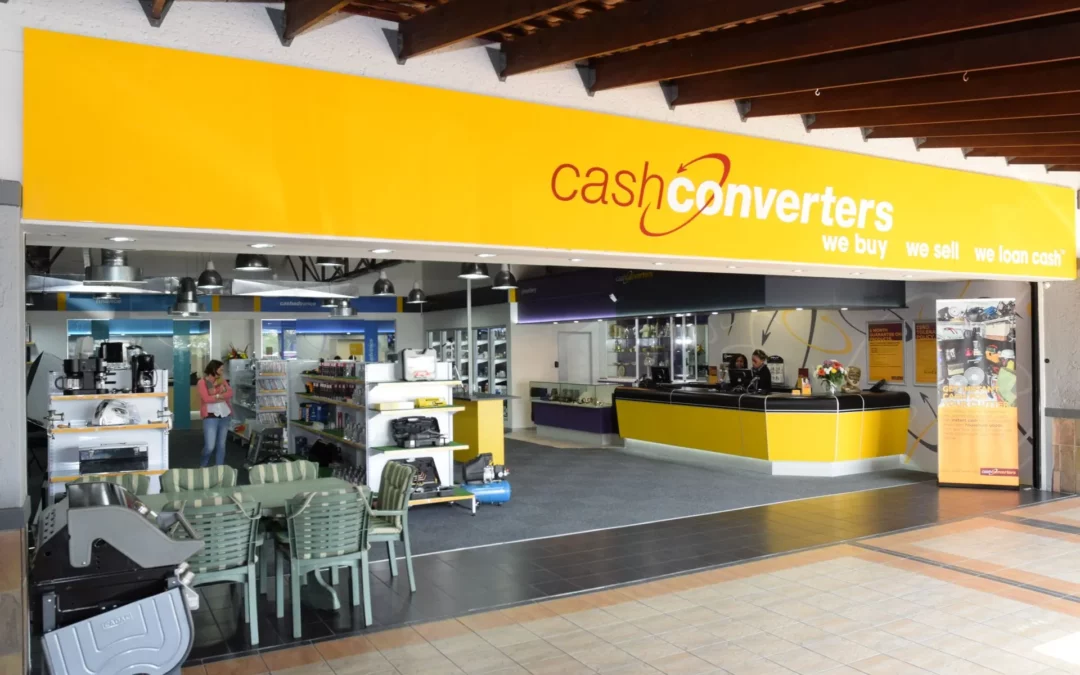
At Cash Converters Southern Africa, a turnkey franchised business in 2026 is priced at approximately R4.5 million. The term “turnkey” is key here. It means the business is fully set up and ready to operate from day one, including shopfitting, equipment, fixtures, fittings, systems, and infrastructure. You’re not buying a concept; you’re buying a functioning business.
Investment in a franchise typically divides into two broad categories:
Setup costs cover the physical and operational elements required to open the doors. This includes shopfitting, equipment, technology infrastructure, and initial stock where applicable.
Working capital supports the business through its early trading period — covering day-to-day expenses while revenue builds. First-time franchise buyers often underestimate this component, and getting it wrong can create cash flow pressure at exactly the wrong moment.
Understanding this split isn’t just useful for your own planning; it’s essential for a credible funding application. Banks want to see that you understand where the money is going and that your projections are grounded in reality.
The 50/50 Rule: A Funding Structure Built for Long-Term Success
Cash Converters Southern Africa encourages prospective franchisees to approach funding with a 50/50 structure in mind. Ideally, at least half of the total investment — approximately R2.25 million for a standard Cash Converters store — should be available as unencumbered capital. The remaining balance can then be financed through a bank or other financial institution.
This isn’t an arbitrary guideline. It’s a structure designed to serve you.
Walking into a funding conversation with meaningful equity in your deal signals to lenders that you have genuine skin in the game. It reduces the debt burden on the business during its critical early stages. It gives you a buffer against unexpected costs or slower-than-anticipated revenue growth. And it significantly strengthens your application, improving both the likelihood of approval and the terms you’re likely to receive.
Franchisees who rely too heavily on borrowed capital from the outset put themselves under enormous pressure. Every month, before the business generates a Rand of profit for you, it’s servicing debt. That margin for error disappears fast if trading conditions aren’t immediately ideal.
The 50/50 approach isn’t about gatekeeping — it’s about setting you up for genuine, sustainable success.
Franchising as a Pathway, Not Just a Purchase
It’s worth stepping back and appreciating what the franchise model represents for first-time business owners.
Entrepreneurship is often portrayed as a solo endeavour — the lone founder building something from nothing through sheer grit. That narrative is compelling, but it glosses over the brutal reality of startup failure rates. Most new independent businesses don’t survive their first five years.
Franchising offers a different pathway. When you buy a franchise, you’re joining a system built by people who have already made the costly mistakes and worked out the answers. You benefit from their learning curve without paying for it yourself. You get access to training, support structures, marketing infrastructure, and the collective buying power of a national network.
And critically, you get access to funding on terms that an independent startup cannot match.
That combination of reduced risk, structured support, and improved fundability is why franchising continues to grow as a business model even in challenging economic climates. It’s not the easiest path, but it may well be the smartest one.
Is Buying a Franchise Right for You?
If you’re seriously considering business ownership, the question isn’t really whether to buy a franchise versus going it alone. The more useful question is: which franchise, in which sector, with which support structure, aligns with your goals, your capital, and your appetite for the work involved?
For those drawn to a high-traffic retail model with a well-established brand, proven demand, and a 30-year track record across Southern Africa, Cash Converters represents a compelling option worth exploring in depth.
The funding pathway is clear. The model is bankable. The support is real.